Guide
Slow Cooker Liquid Ratios (How Much Liquid)
This page contains affiliate links – if you buy through them we may earn a commission, at no extra cost to you. The recommendations are our own assessment. As an Amazon Associate we earn from qualifying purchases.
A slow cooker's tight, heavy lid keeps steam inside the pot, where it condenses and drips back down. That is great for tenderizing tough cuts, but it means a recipe written for the stovetop or oven will turn out watery if you use the full amount of liquid. Meat, poultry, and vegetables also give off their own moisture over 6 to 8 hours, adding even more liquid to the pot. The fix is simple: start with less. The chart below gives a good starting point for common dish types, measured as how far the liquid should reach up the ingredients before cooking begins.
Tips for Getting the Ratio Right
| Dish type | Liquid to add | Notes |
|---|---|---|
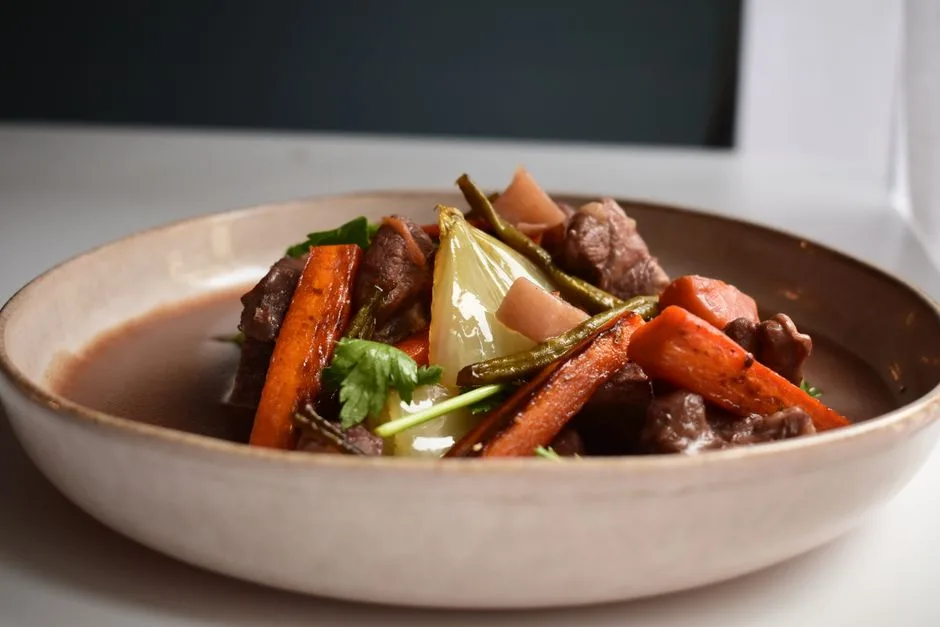
| Stews and braises (beef, pork, lamb) | Enough to come 1/3 to 1/2 up the food | Meat and vegetables release plenty of liquid; do not cover. |
| Whole chicken or bone-in poultry | 1/2 to 1 cup (120 to 240 mL) | Skin and bones add moisture; cook to 165F (74C). |
| Boneless chicken breasts or thighs | 1/4 to 1/2 cup (60 to 120 mL) | Very lean; too much liquid makes them stringy. Cook to 165F (74C). |
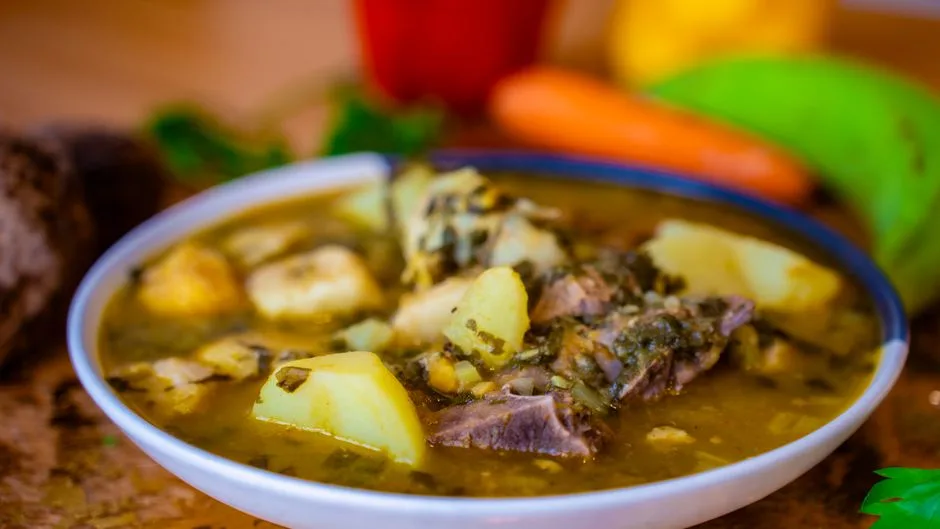
| Soups | Use the full amount | Soups are meant to be brothy; no reduction needed. |
| Chili | Reduce liquid by about half | Tomatoes and beans add liquid; it thickens as it cooks. |
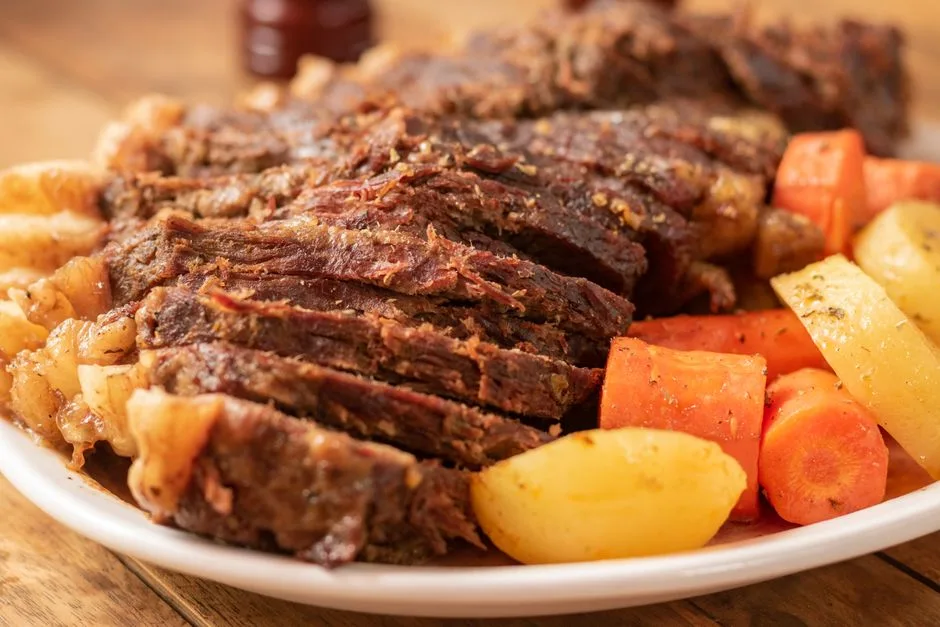
| Pot roast (large cut) | 1/2 to 1 cup (120 to 240 mL) | The roast releases juices; cook to 195 to 205F (91 to 96C) to shred. |
| Rice and grains | Package ratio minus about 1/4 | Little evaporation; excess water leaves them mushy. |
| Dried beans | Cover by 1 to 2 inches (2.5 to 5 cm) | Beans absorb water as they cook; keep them submerged. |
- Always thaw frozen meat and poultry before adding it to the slow cooker. The USDA warns that a slow cooker heats food too slowly to move frozen meat safely through the Danger Zone of 40 to 140F (4 to 60C), where bacteria multiply rapidly. Thawed meat also releases its liquid more predictably, which keeps your ratio on target.
- Resist lifting the lid. Each peek releases steam, can add 15 to 20 minutes to the cook time, and upsets the moisture balance.
- If the dish looks too thin at the end, prop the lid open slightly and cook on high for the last 30 to 45 minutes, or stir in a slurry of 1 tablespoon cornstarch mixed with 2 tablespoons cold water.
- Layer dense root vegetables on the bottom, where they sit in the liquid and cook more evenly.
- Trim excess fat from meat; rendered fat pools on top and thins the sauce.
- Use low-sodium broth. Because the liquid barely reduces, salt and flavor do not concentrate the way they do on the stovetop.
- Add dairy, coconut milk, and fresh herbs in the last 30 minutes so they do not curdle or turn bitter.
Why does my slow cooker recipe come out watery?
Almost no liquid evaporates under the sealed lid, and the food adds its own moisture as it cooks. Next time, cut the added liquid by one-third to one-half. To rescue a finished dish, thicken it with a cornstarch slurry or cook it uncovered on high to reduce.
Do I need to cover the meat with liquid?
No. Unlike boiling, a slow cooker cooks with trapped steam and the food's own juices, so liquid coming one-third to halfway up the ingredients is usually enough. Dried beans are the exception and should stay fully submerged.
Can I put frozen meat straight into the slow cooker?
No. The USDA advises thawing meat and poultry in the refrigerator, in cold water, or in the microwave before slow cooking. A slow cooker warms up too gradually to move frozen meat quickly through the Danger Zone of 40 to 140F (4 to 60C), so bacteria can grow to unsafe levels. Thaw first, then cook, and always confirm doneness with a food thermometer, such as poultry at 165F (74C).
Can I cook a recipe with no added liquid at all?
Sometimes. Fatty cuts and water-rich vegetables, such as a pork shoulder with onions, can cook in their own juices. Even then, add a couple of tablespoons of liquid to start so nothing scorches before the food releases its moisture.
How do I thicken slow cooker sauce or gravy?
Stir in a slurry of equal parts cornstarch and cold water during the last 30 minutes, or remove the lid and cook on high to reduce the liquid. You can also mash a few cooked potatoes or beans into the sauce.
Does more liquid make the food cook faster?
No. Extra liquid does not speed cooking and can slow it, since more liquid takes longer to heat. It mainly dilutes flavor. Always cook meat to a safe internal temperature, such as poultry to 165F (74C), rather than judging by the liquid level.
Related guides